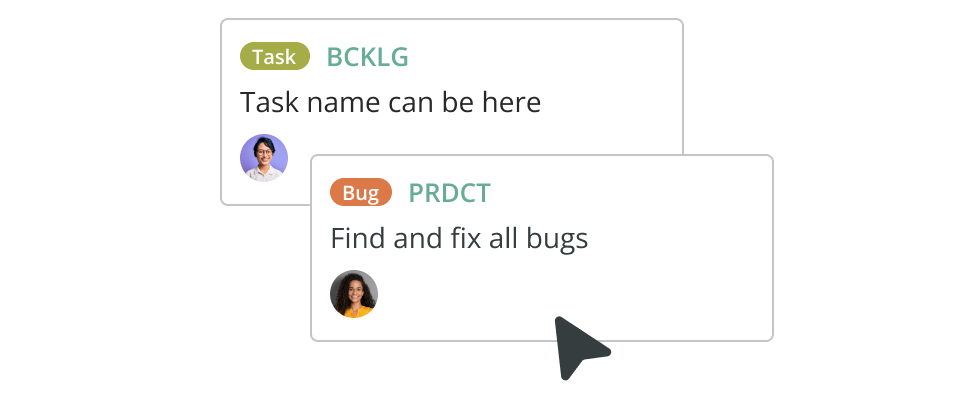
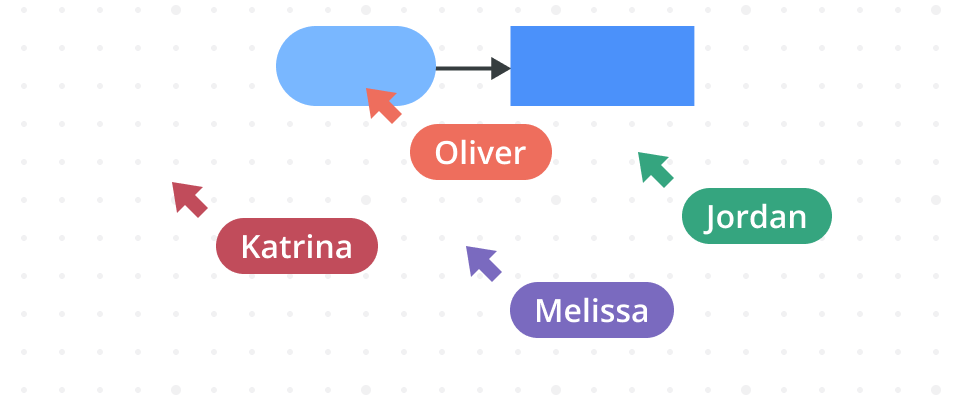
Here at Nulab, we spend every day helping teams collaborate, create, and get things done. But have you ever wondered what that actually looks like in numbers? We wanted to share what our users accomplished and how they interacted with Backlog and Cacoo in 2025.
Looking at the data, we realized it tells a bigger story about how teams work, how creativity flows, and how collaboration has become such an essential part of daily workflows around the world. So grab a cup of coffee and let’s dive into what 2025 looked like from a data-driven perspective.

Peak productivity
Ever wondered when people are at their most productive? Turns out, 10:00 AM local time was the universal sweet spot across the globe. Activity during this hour was about 18% higher than at any other time of day. No matter where teams were — Tokyo, New York, Amsterdam — late mornings were the moment everyone seemed to hit their stride.
This wasn’t just a small blip in activity; it was a consistent pattern that repeated across continents, showing that creativity, problem-solving, and focus peak around the same time for most people. For teams coordinating across time zones, this hour represents the perfect window to schedule collaborative sessions or tackle important tasks that require deep concentration.
Afternoon push
Afternoons aren’t usually thought of as peak time, but this year we saw a 15% surge in issue updates around 4:00 PM. It seems teams worldwide like to make a final push to clear backlogs before signing off. This surge was visible across multiple regions, showing that even after a full morning of work, teams still had the energy and focus to finish strong.
It’s inspiring to see how this “final push” naturally happens around the same time, almost like a global ritual where everyone is determined to wrap up their day on a high note. It also tells us a lot about work habits and productivity cycles, and how small patterns can give big insights into team behavior.
Quiet hours
Even the most dedicated teams need a break. Between 10:00 PM and 3:00 AM local time, not surprisingly, global activity dropped by 72%. This is the quiet time in the workday, when people finally get some rest before ramping up again the next morning.
Even highly productive teams respect these quiet hours, which suggests that rest is as integral to collaboration as active work. Understanding these quiet periods can help managers and team members schedule tasks more effectively, ensuring that critical projects aren’t interrupted and people get the rest they need to stay sharp.
Brainstorming
If you’ve ever used Cacoo, you know it’s great for ideation. This year, users were 20x more likely to use Cacoo for brainstorming than for technical mapping. The “Meeting & Brainstorming” category dominated 79.7% of activity, showing that users love using Cacoo in the early stages of a project when ideas are flying.
It’s fascinating to see how teams really value this creative start. Brainstorming is where teams experiment, share perspectives, and generate concepts that will later evolve into actionable projects. By looking at this data, we can see that collaboration platforms aren’t just about tracking tasks or documenting progress; they’re about fostering a culture of creativity and idea sharing that fuels innovation from the very beginning.
Most used Cacoo template
Templates can make an enormous difference in the quality of your diagram, and the Mind Map template was the undisputed favorite. Nearly three times more popular than the SWOT Analysis, it became the “Champion of Clarity.” People love it because it helps expand ideas visually before getting into the details.
This really shows that the start of a project, when thinking is big and messy, is where teams spend a lot of their creative energy. It also shows that templates aren’t just convenience tools — they guide workflows and help people organize complex thoughts quickly. For new users or teams trying to collaborate efficiently, picking the right template can make a huge difference in how smoothly ideas turn into plans.
Weekend activity
Weekends are usually slower, but Sunday surprised us with 50% more activity than Saturday. It looks like people like to use Sunday evenings to prep, plan, and organize for the week ahead. This was particularly interesting because it suggests a proactive approach by global teams — even on the weekend, people are thinking ahead, setting up boards, organizing tasks, and making sure Monday starts with momentum.
It also points to the flexibility and adaptability of modern work patterns, where work doesn’t always follow the traditional Monday-to-Friday schedule, and productivity can peak in unexpected windows.
Recognizing teamwork
If you’re a Backlog user, we’re sure you’re familiar with the feature where you can give stars on comments and interactions. We love this feature because it encourages collaboration and celebrates wins. Last year, if every star shared were a real star in the sky, they could fill nearly 4,000 constellations. On average, over 105,000 stars were shared every day to say “thank you” or “great job.”
This shows that teams are not just completing tasks — they’re building positive work cultures, recognizing contributions, and keeping morale high. It’s a simple but powerful way to maintain engagement and show appreciation across distributed teams, proving that recognition is just as important as productivity.
Cacoo power user
Every app has so many users, but there are always those who go above and beyond. This year, one Cacoo user created 70,122 boards — that’s 192 boards every day, or 8 boards every hour. It’s amazing to see how tools like Cacoo can support daily creativity and show what’s possible when someone really pushes the limits.
It also highlights the extremes of usage patterns — while most users are creating boards steadily, power users take full advantage of the platform’s capabilities, exploring every feature and workflow to maximize efficiency. It’s inspiring to see what’s achievable when someone fully embraces the tools at their disposal.
Final thoughts
Looking back at all this, we’re so proud of what our users accomplished in 2025. It’s inspiring to see how you all turned ideas into action, kept tasks moving, and supported each other along the way. The data isn’t just numbers — it’s a story of how work, creativity, and collaboration came together in real life.
As we head into 2026, we’re excited to keep supporting global collaboration, helping teams work smarter together, and watching even more amazing projects come to life — no matter where in the world you’re all logging in from.
About Author

![18 collaboration examples [with tips]](https://cdn.nulab.com/learn-wp/app/uploads/2025/02/20164839/blog-collaboration.png)